The Sugar Alcohol Primer
Your guide to the "zero sugar" product.

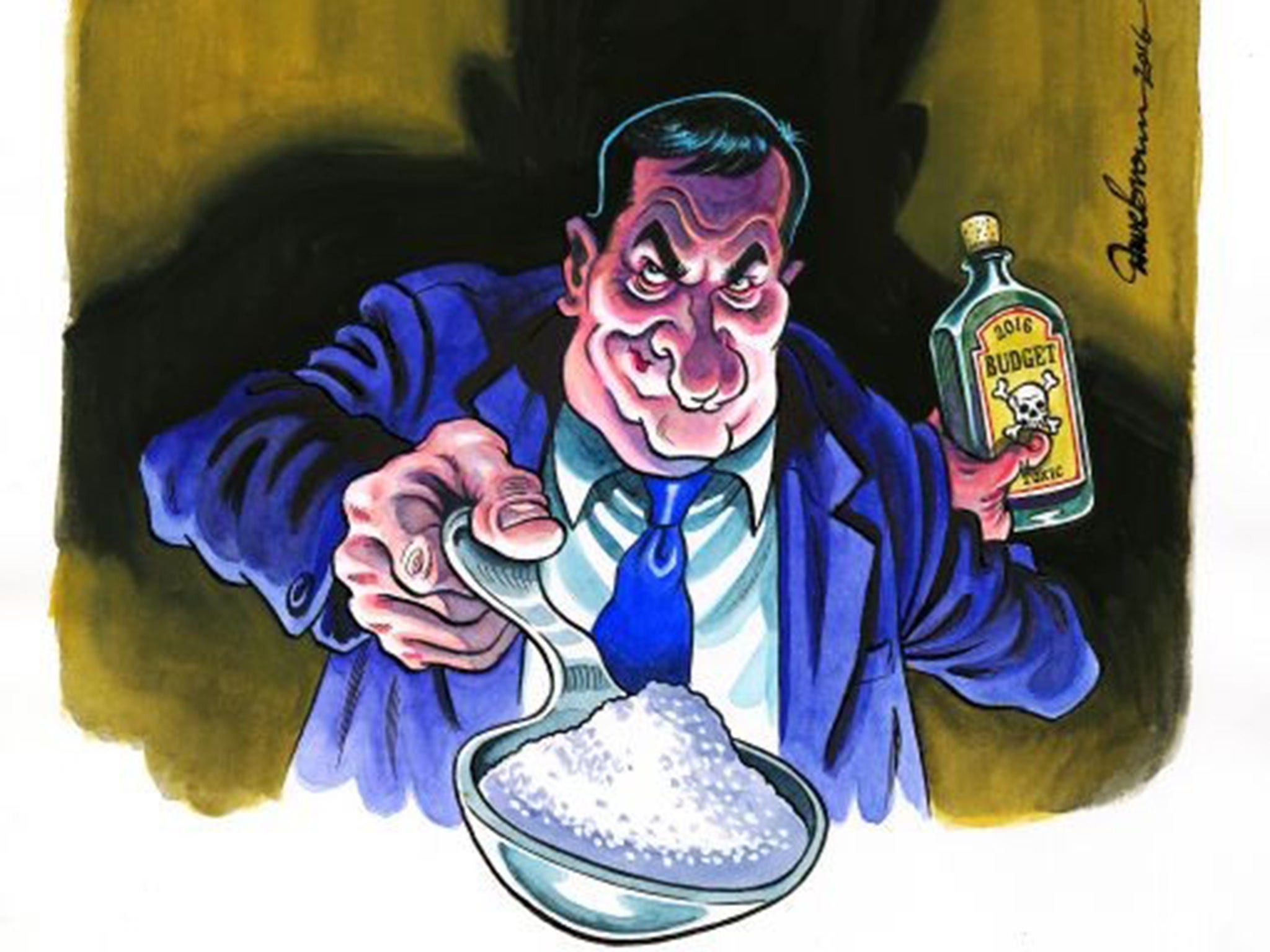
Before this Thursday's next protein bar label breakdown, I want to give you the underlying primer on one ingredient category that shows up in nearly every "zero sugar" and "low sugar" product on the market: sugar alcohols.
Understanding these compounds, and why the food industry has fallen in love with them, will make the next breakdown (and every future label you read) a lot easier to interpret.
Note: for access to label breakdown series, released every Thursday of August & September, become a subscriber!
What Is Sugar Alcohol?
Sugar alcohols, also called polyols, are a category of carbohydrate that sits chemically between sugars and alcohols. Their structure is a modified sugar molecule with a hydroxyl group where the aldehyde or ketone would normally be. Small amounts occur naturally in fruits, vegetables, and fermented products, but the forms you see in packaged foods are almost always manufactured through industrial processing.
Sugar alcohols are partially absorbed in the small intestine, with the unabsorbed portion passing into the colon where gut bacteria ferment it. The absorbed fraction contributes some calories (roughly 0 to 3 kcal per gram depending on the specific alcohol, versus 4 for sucrose), while the unabsorbed fraction contributes the osmotic and fermentative effects that are responsible for both the tolerance issues and the “does not spike blood sugar” claim.
Critically, sugar alcohols do not legally count as “sugar” on the Nutrition Facts panel. This is the entire reason they exist in the food supply, as a product can be sweetened almost entirely with sugar alcohols and still legally market “0 grams of sugar” on the front of the package.
The Ones You Will Actually See on Labels
Six sugar alcohols dominate the packaged food supply, and each has slightly different properties worth knowing.
Erythritol is the most benign in terms of digestive tolerance, contains essentially zero calories per gram, and has minimal glycemic impact. It has become the sugar alcohol of choice in most “keto” and low-carb products. It is also the one that generated cardiovascular concern after Witkowski and colleagues (Nature Medicine, 2023) reported an association between elevated blood erythritol and major adverse cardiovascular events. Follow-up work has debated the mechanism and the causal interpretation, but the signal is worth taking seriously in high-intake contexts.
Xylitol has roughly half the calories of sugar and shows up in sugar-free gum, mints, and dental products, partly because it does not feed the bacteria that cause tooth decay. Same research group (Witkowski, European Heart Journal, 2024) reported a similar cardiovascular signal for xylitol. Also worth flagging that xylitol is severely toxic to dogs, and any product containing it should be kept away from pets.
Maltitol is the sugar alcohol in most “sugar-free” candies and many protein bars. It has the sweetest taste profile and best mouthfeel of the group, but it also has the highest glycemic index (around 35 to 52 depending on formulation, higher than most people realize) and the worst gastrointestinal profile. If a product causes noticeable GI symptoms in the “0 sugar” world, maltitol is usually the culprit.
Sorbitol and mannitol are older sugar alcohols, common in sugar-free gum, some pharmaceuticals, and dietetic foods. Both have well-documented laxative effects at modest doses, which is why the FDA requires a warning label on products containing more than 50 grams of sorbitol or 20 grams of mannitol per day.
Isomalt shows up in hard candies and some baked goods, with similar GI potential to maltitol but a less pronounced sweetness.
You will also often see allulose grouped with sugar alcohols in marketing, though it is technically a rare sugar rather than a polyol. It is metabolically similar in that it produces near-zero glycemic response and contributes minimal calories, and it is generally the best-tolerated of the low-calorie sweeteners. Its inclusion in a product is a mild positive signal.
Why the Food Industry Uses Them
Sugar alcohols solve four problems for food manufacturers at once, which is why they have proliferated so quickly.
First, they let a product legally claim “0 g sugar” on the front of the package while still being sweetened. This is enormous from a marketing standpoint.
Second, they provide bulk. Unlike artificial sweeteners such as sucralose and aspartame, which are 200 to 600 times sweeter than sugar and used in tiny quantities, sugar alcohols are used gram-for-gram closer to sugar. This means they can physically replace sugar in a formulation, preserving the texture, mouthfeel, and moisture profile that sugar contributes. You cannot make a chewy bar with sucralose alone. You can with maltitol.
Third, they have lower glycemic impact than sugar (with the important caveat that “lower” is not “zero,” particularly for maltitol).
Fourth, they don’t feed cavity-causing oral bacteria, which is why xylitol dominates the sugar-free gum category and gets promoted as dental-friendly.
The result is that essentially every product in the “low sugar,” “keto,” “diabetic-friendly,” and “protein” categories now uses one or more sugar alcohols, often stacked with high-intensity artificial sweeteners like sucralose or acesulfame potassium to fine-tune the sweetness curve.
The Downsides Worth Knowing About
Three concerns are worth holding in mind when you see sugar alcohols on a label.
The most immediate is gastrointestinal tolerance. The unabsorbed fraction of sugar alcohols draws water into the colon (osmotic effect) and is fermented by gut bacteria (gas and bloating). Individual tolerance varies enormously, but as a general rule, maltitol and sorbitol are the worst offenders, xylitol is intermediate, and erythritol and allulose are the best tolerated. Anyone with IBS or a FODMAP-sensitive gut will feel these effects more acutely, since polyols are literally the “P” in FODMAP.
The second is that “does not spike blood sugar” is often overstated. Maltitol in particular has a real glycemic index and will move blood glucose measurably in someone paying attention to a CGM. If you are eating a “sugar-free” product because you have diabetes or prediabetes, know which sugar alcohol you are consuming.
The third, still evolving, is the cardiovascular signal for erythritol and xylitol from the Witkowski group’s work. The findings have not been definitively established as causal, and there is ongoing scientific debate about the interpretation, but the reasonable clinical response is to avoid chronic high-dose daily exposure until the picture clarifies further. Occasional use is likely fine. Multiple servings daily of erythritol-sweetened products for years is where the risk-benefit calculation gets harder to defend confidently.
Thursday
Later this week, we do the next protein bar breakdown, and sugar alcohols are going to feature heavily in the ingredient list. Now you know what you’re looking at. For all my subscribers - see you Thursday!
This post is for informational purposes and does not constitute medical advice. Individual dietary decisions should be made with a knowledgeable physician or registered dietitian.